

Unsmallable
Our mothers are more complex than we let them be

Look at her.
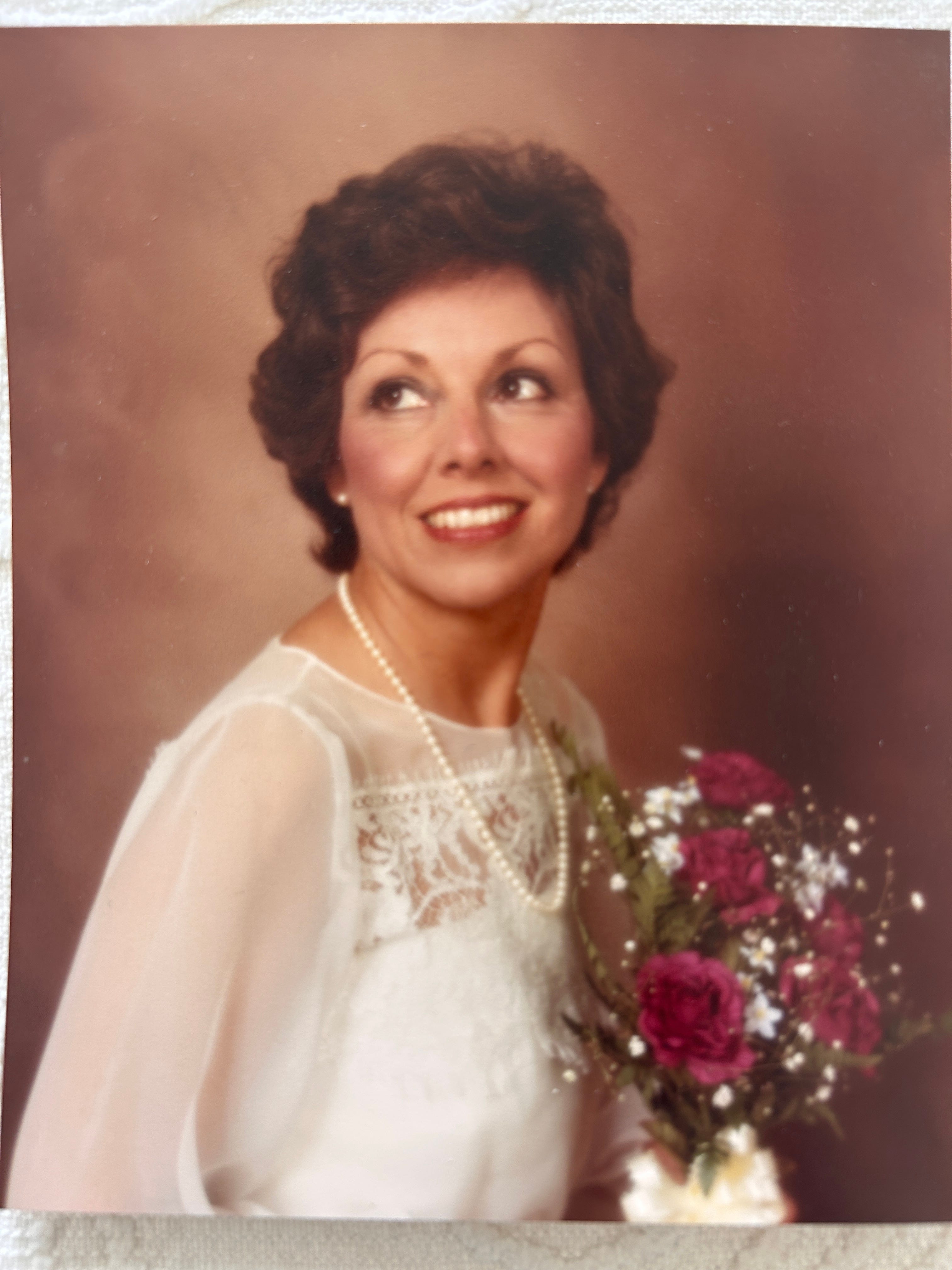
That’s what I keep saying to myself, scrolling through these old photos on my second Mother’s Day without her. Look at her. The pearl necklace. The roses. That smile aimed just slightly upward, like she was already looking past whatever was hard.
She was beautiful. I knew that. But I didn’t know how to see her whole until she was gone.
My mother moved 16 times in 19 years while my dad was super successful and super alcoholic.
She raised my sister and me across all of it — different cities, different schools, different homes — and kept everything steady in a way that only makes sense to me now, when I understand what it costs to do that. When my dad died suddenly, she did all of it alone. Went back to work. Put food on the table. Got both of us through high school as honor students. Never let us see her fall apart.
She was, by any measure, a woman who could not be made small.
But here’s what I didn’t know for most of my life: she came from a family that had tried. She grew up in dysfunction that shaped her in ways she rarely talked about and I only began to understand after decades of my own work. The resilience I took for granted — the kind that moves 16 times and keeps going — wasn’t just character. It was also survival. It was what you build when you have to.
I didn’t see that for a long time. For years, I blamed her for things that weren’t her fault. My dad’s death. Their troubled marriage. The losses that landed on all of us. I was a daughter making sense of pain, and I aimed some of it at her. It wasn’t fair. It took me years — and a lot of willingness — to see the whole picture. To understand her lineage, her circumstances, the weight she carried that had nothing to do with me.
In her final six years, I had the privilege of being her caregiver. Of loving her well, at last.
She passed April 12, 2024.
Here’s the thing nobody tells you about losing your mother: you keep learning about her after she’s gone.
I’ve been thinking about something lately, and I want to say it carefully because I think it matters beyond just my own story.
We tend to think of our mothers as finished. As arrived. We’re in process — growing, becoming, working things out — and somehow we’ve decided they completed that journey before we were old enough to notice. They’re the backdrop. The constant. The ones who are already who they are.
But they weren’t. They aren’t. They were becoming, right alongside us, in ways we couldn’t see because we needed them to be solid.
My mother was still growing when she lost Stan — the man she had built a new life with after decades of hard years. And his death changed something in her. She contracted. The woman who had survived everything became, in some ways, afraid of the very change she’d already proven she could handle. She became cautious. She held herself back.
I watched it happen. I didn’t fully understand it.
What I know now is that her contraction after Stan’s death wasn’t failure. It was grief doing what grief does — and she was still working it out, still becoming, right up until the end. She just didn’t have enough time.
She never really took the trip.
I’ve been thinking about the word unsmallable.
It’s the word I’ve been looking for — not strong, which can feel like a consolation prize for surviving what you shouldn’t have had to. Not resilient, which implies bouncing back to the same shape. Something bigger than both.
Unsmallable: incapable of being permanently reduced.
My mother was unsmallable in the years she raised us. She was unsmallable in the years she rebuilt. And I think — I have to believe — she was still unsmallable even in the years she forgot it.
She just forgot it sometimes.
The gift she gave me isn’t the example of perfect resilience. It’s the full picture — all of it, the strength and the fear and the love and the grief — because that’s what let me finally see her as a person, not just a mother. A woman who was growing until she couldn’t anymore.
I leave for Ecuador in six days. I’m about to turn 60. I am taking the trip — the one she didn’t take, and the one she would have wanted for me.
Mom, this one’s for you.
To anyone reading this on a complicated Mother’s Day — whether your mother is here or gone, whether the relationship was tender or hard or somewhere in between:
She was still becoming. You probably couldn’t see it. Neither could I.
See her whole if you can. There’s time, until there isn’t.
— Susan
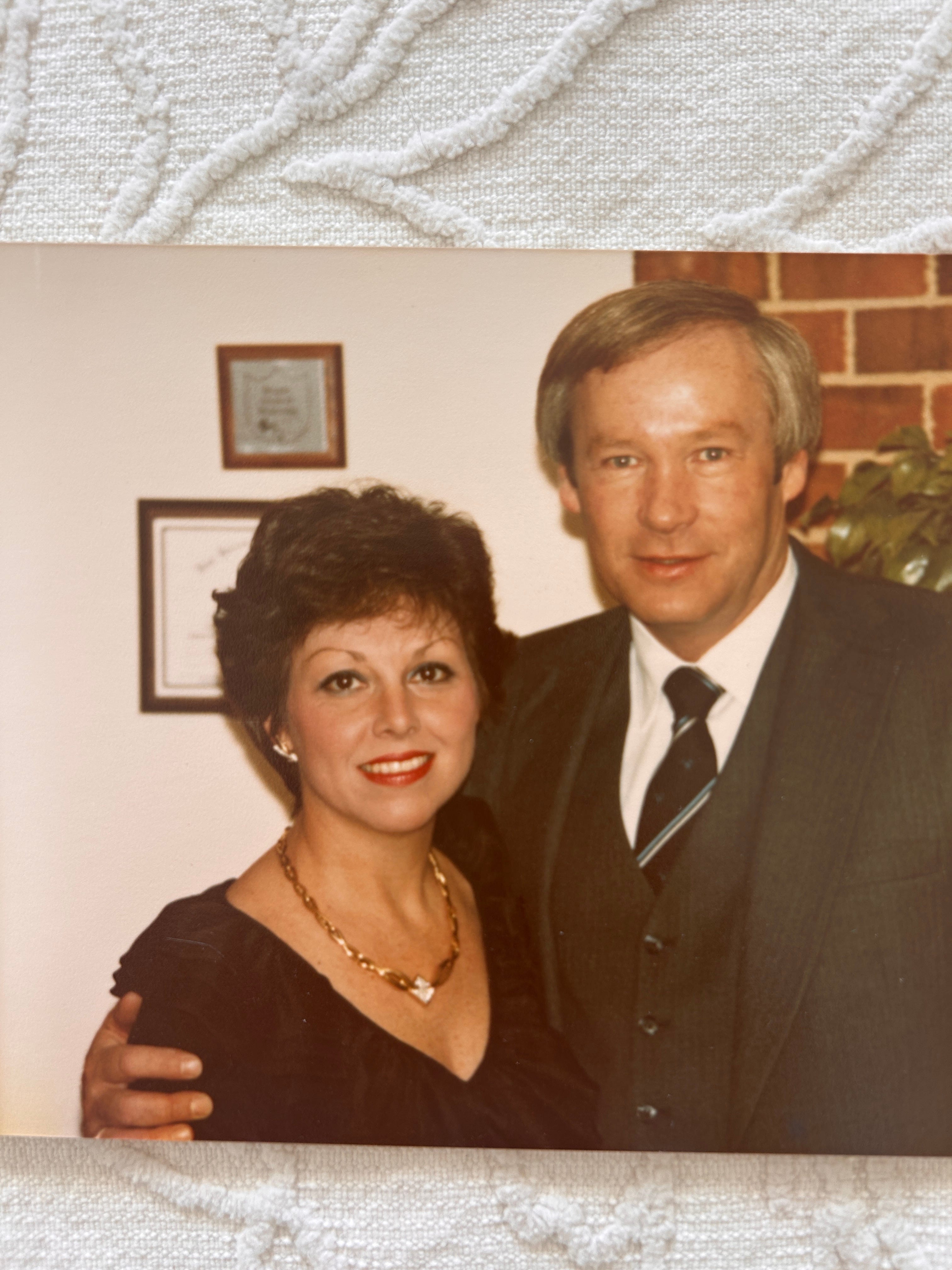
Beautiful summation of remembering a parent, Susan! …..“you keep learning about her after she’s gone.”
As I learn about myself, I learn more about my dad, my mom is next, I hope. I’m starting where I am right now, where I have a connection. He passed from the disease of alcoholism 46 years ago, I’m just beginning to feel his presence in my life.
Thank you, your words hit me today.