

Loster Faster
What busy people don't know about being lost

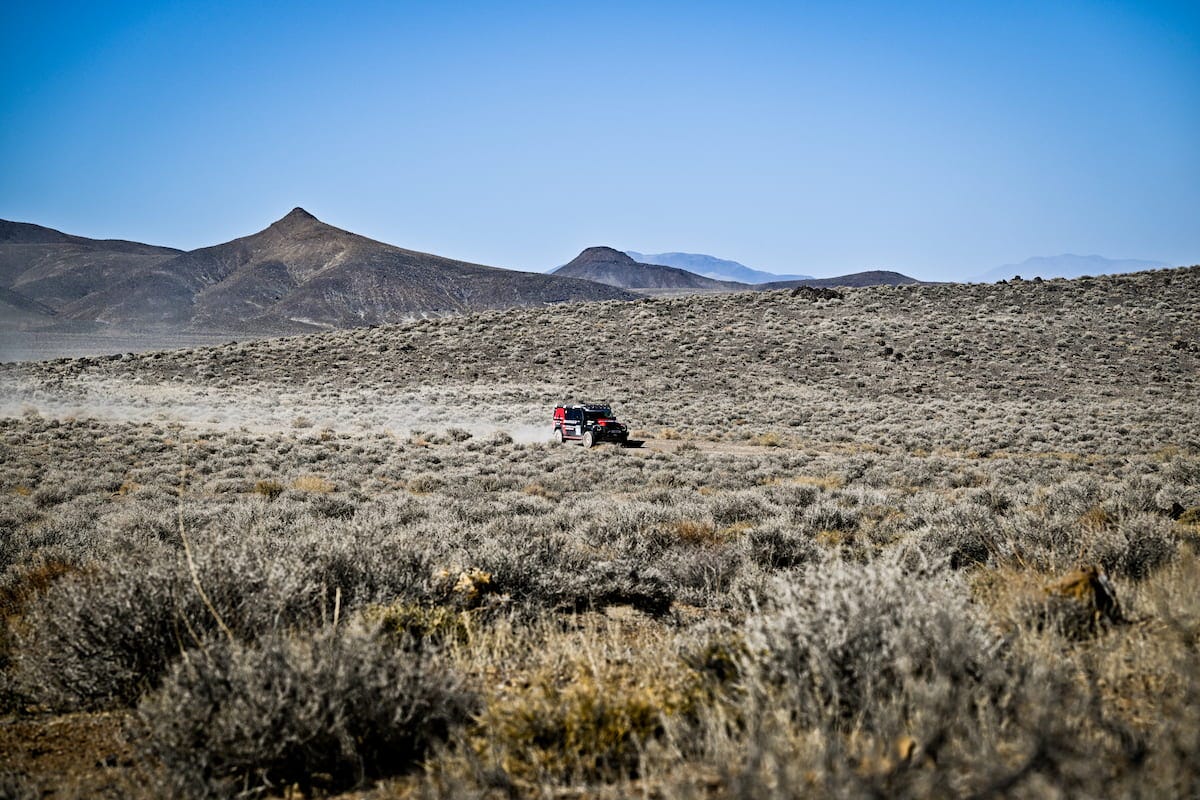
I have a title I did not ask for and absolutely earned.
The Rebelle Rally is a ten-day off-road navigation competition across Nevada and California — no GPS, no phones, just paper maps and a compass. You find checkpoints by reading terrain and taking headings. Speed matters. So does knowing where you are.
In my rookie year, I was very good at one of those things.
Staff observed me speeding past navigation stops, skipping compass headings, driving hard in whatever direction felt right. I drove so far off course, so fast, that they had to radio us to stop and turn around. And at some point — I am told this is true — a Ford F-150 Raptor was justified on the equipment list specifically to keep up with competitors like me.
I earned a title that year: the Loster Faster Queen. 👑
Here’s what’s funny about that. I didn’t feel lost. I felt decisive. I felt like I was moving. I had momentum, I had energy, I had forward motion — I just had absolutely no idea where I was going.
Sound familiar?
I think most people who are lost don’t feel lost. They feel busy. They feel like they’re executing. They have full calendars, clear inboxes, a lot of things checked off a list that nobody asked them to make.
Loster Faster isn’t a navigation problem. It’s a direction problem. And you can have it in your career, your relationships, your health, your creative life — anywhere you’ve been moving fast without stopping to ask toward what.
The hard part is that stopping feels like losing. Taking a heading feels like falling behind. In a rally, in a life, the instinct is to keep the wheels turning.
But here’s what I know now: speed in the wrong direction is just efficient loss.
In the 2025 Rebelle Rally, my partner Elise and I did something I wouldn’t have recognized in my rookie self. We stopped. Every time we were uncertain — we stopped. We took the heading. We checked the map. We talked through what we were seeing before we moved.
We podiumed. Third place, 4x4 class.
Not because we were faster. Because we were pointed at something real.
Off the rally course, I’ve built the same habit into my actual life:
Morning pages — Julia Cameron’s practice from The Artist’s Way. Every morning, three longhand pages, unfiltered. It clears the noise so I can hear what’s actually underneath. It’s the first heading of the day.
Annual and weekly planning — I treat my life like a course I’m navigating. Where am I trying to go? What’s the terrain between here and there? What do I do this week that moves me toward that? This isn’t hustle culture. It’s navigation.
Dedicated time to step back — I plan trips and retreats specifically to zoom out. Not to relax (though that happens). To look at the big picture of my life, take a reading, and recalibrate before I start moving again.
None of this is complicated. All of it requires the one thing that feels hardest when you’re in motion: the willingness to stop.
I still move fast. That’s not the part that needed fixing.
What changed is that I know where I’m going now. And the life I’m building — the one I’m actually choosing, deliberately, with intention — feels nothing like being lost.
It feels like flying down an open road with a compass in your hand and a heading you trust.
No Raptor required.
What direction are you moving in right now — and when did you last stop to check?